10 Essential Steps to Take Before Listing Your Home for Sale
- 5 days ago
- 5 min read
Selling a home goes better when the prep work starts before the sign goes up. A clean, repaired, well-priced home gives buyers fewer reasons to hesitate and more reasons to make a strong offer.

Start with the home buyers will see first
1. Prepare your home for showings
Buyers notice the basics right away. Before listing, clean every room as if guests are coming with a white glove.
Focus on:
Clear countertops
Clean windows and mirrors
Fresh-smelling rooms
Organized closets
Floors that look freshly vacuumed, swept, or mopped
Remove extra furniture if it blocks walkways. Put away personal items, stacks of mail, pet supplies, and excess decor. The goal is simple. Make each room feel clean, open, and easy to understand.
2. Make needed repairs before buyers find them
Small repairs can raise big doubts. A dripping faucet, loose handle, stained ceiling, or cracked tile can make buyers wonder what else has been ignored.
Walk through the home with a notepad. Check:
Doors, locks, and windows
Light fixtures and switches
Faucets, toilets, and drains
Walls, trim, and flooring
Appliances that will stay with the home
Handle safety issues first. Then fix visible wear. If a repair needs a licensed contractor, get written records.
3. Choose smart improvements, not random upgrades
Not every upgrade pays off. Before spending thousands, focus on improvements that help the home feel clean, current, and move-in ready.
Good pre-listing projects often include:
Fresh neutral paint
Updated cabinet hardware
New light fixtures
Fresh mulch and trimmed landscaping
Professional carpet cleaning
Skip highly personal changes. Buyers may not share your taste. Keep finishes simple and broad in appeal.

Build a strong first impression
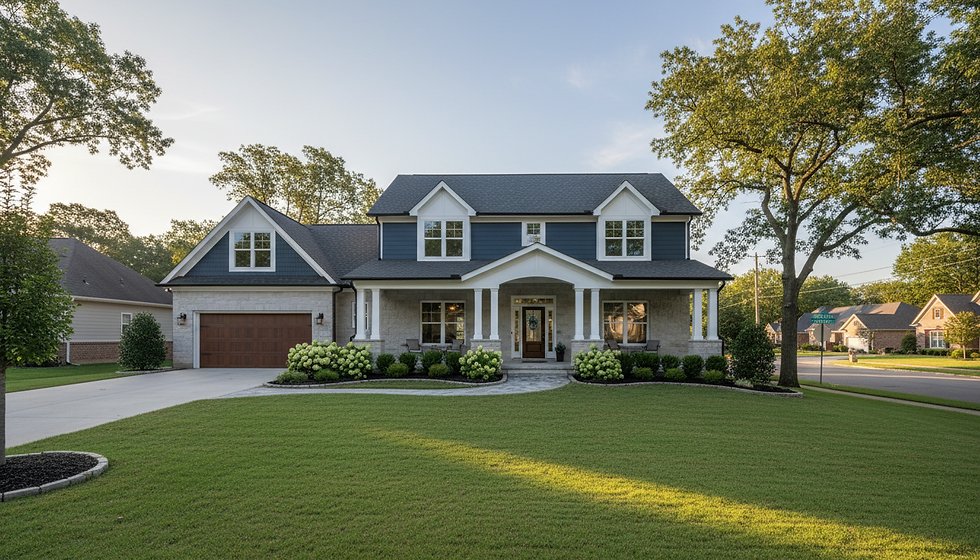
4. Enhance curb appeal before photos and showings
Curb appeal starts before buyers step inside. It also matters in listing photos. A home with a tidy exterior feels better maintained.
Do these jobs before photos:
Mow and edge the lawn
Trim shrubs away from windows
Power-wash the walkway if needed
Add fresh mulch
Clean the front door
Replace dead plants
Make sure house numbers are visible
A simple porch refresh can help. Add a clean doormat, working porch light, and a few healthy plants. Keep it neat, not crowded.
5. Stage rooms so buyers understand the space
Staging does not mean filling the home with expensive furniture. It means showing each room’s best use.
Give every room a clear purpose. A spare room can become a guest room, home gym, or quiet reading area. Avoid mixed signals, like a dining room used for storage.
Use these staging basics:
Pull furniture away from walls when space allows
Let in natural light
Use neutral bedding and towels
Remove oversized pieces
Add simple accents, such as pillows or greenery
Buyers should remember the home, not the clutter.
Get the business side ready
6. Set the right price from the start
Pricing affects every part of the sale. A high price can limit showings. A low price can leave money behind. The right price should reflect the home’s condition, location, recent comparable sales, and current buyer demand.
Do not base the price only on what you need to net. Buyers compare your home with other available homes. Your agent should review recent sales, active listings, and homes that failed to sell.
A strong price can create better traffic early, when interest is usually highest.
7. Organize key documents before questions come up
Paperwork slows things down when it is missing. Gather important records before listing.
Useful documents include:
Mortgage payoff information
Homeowners association documents, if applicable
Utility averages
Roof, HVAC, plumbing, and electrical repair records
Appliance manuals and warranties
Permits for major improvements
Property tax information
Survey, if available
Keep digital copies in one folder. This makes it easier to answer buyer questions and move through the selling process.

Pick the right support and plan
8. Choose the right real estate agent
The right agent should do more than place the home on the market. Look for clear pricing advice, local market knowledge, strong communication, and a practical plan for preparing the home.
Ask these questions:
What would you fix before listing?
How did you choose the suggested price?
What homes are we competing with?
How will showings be handled?
What happens if we do not get strong interest?
A good agent should explain the plan in plain language. They should also tell you the truth, even when it is not the easiest answer.
9. Review marketing strategies before listing day
Buyers often see the home online before they book a showing. That makes photos and presentation critical.
A strong listing plan may include professional photos, a clear property description, floor plan details, open houses, private showings, and listing exposure through common real estate channels.
Make sure the home is photo-ready before the photographer arrives. Turn on lights, open curtains, hide trash cans, put away cords, and clear driveway clutter.
10. Time the market with your goals in mind
Spring and early summer can bring more buyer activity in many areas. That does not mean every seller should wait. Job changes, school schedules, interest rates, local inventory, and your next move all matter.
Ask your agent what is happening in your specific market. If few similar homes are for sale, you may have a good window. If many homes compete with yours, pricing and presentation matter even more.
Timing also includes your personal timeline. Know when you want to move, where you will go next, and how flexible you can be.

Know what happens after you list
Once the home is live, be ready for activity. Showings may come with short notice. Offers may arrive with different terms, not just different prices.
Common steps include:
Listing the home
Hosting showings
Reviewing offers
Negotiating price and terms
Accepting an offer
Completing inspections and appraisal
Working through contingencies
Preparing for closing
The more you understand the process, the less stressful it feels. Good preparation helps you respond without panic.
If you want help deciding what to repair, how to price, and when to list, request a selling consultation.
FAQ
How early should I start preparing my home to sell?
Start at least a few weeks before listing if possible. Bigger repairs, painting, and decluttering often take longer than expected.
Should I get a pre-listing inspection?
A pre-listing inspection can help you find issues early. It may be useful for older homes or homes with known repair concerns. Ask your agent if it makes sense for your situation.
Is staging worth it if I still live in the home?
Yes, even simple staging can help. Rearranging furniture, removing clutter, and using neutral decor can make the home show better.
What should I not fix before selling?
Avoid costly upgrades that buyers may not value. Do not remodel based only on personal taste. Focus on repairs, cleanliness, and broad appeal.
A confident sale starts before listing day
The best results come from clear prep, smart pricing, strong presentation, and the right guidance. Work through these 10 steps before listing your home for sale, and you will enter the market with fewer surprises and a stronger plan.