Effective Ways to Save for a Home Down Payment and Reach Your Goal
- Jul 29
- 5 min read
Saving for a home down payment can feel slow at first. The goal is large. The progress may look small. That is normal.
The key is to make the target clear, build steady habits, and protect the money as it grows. This guide is informational only and does not replace personal financial advice.

Set a specific savings goal
A vague goal like “save for a house” is hard to follow. A specific number gives each dollar a job.
Start with three numbers:
Estimated home price
Target down payment percentage
Extra cash for closing costs and moving
For example, if the target home price is $350,000 and the down payment goal is 10%, the down payment target is $35,000. Closing costs may add more. Moving costs, inspections, and early repairs can add more too.
That does not mean the goal is out of reach. It means the goal needs a clear plan.
Break the total into monthly targets. If the goal is $40,000 and the timeline is four years, the monthly target is about $834. If that feels too high, adjust the timeline, price range, or savings rate.
A clear goal helps with trade-offs. It turns daily choices into progress. This is one of the most effective ways to save for a home down payment and reach your goal without guessing.
Create a budget that shows where the money goes
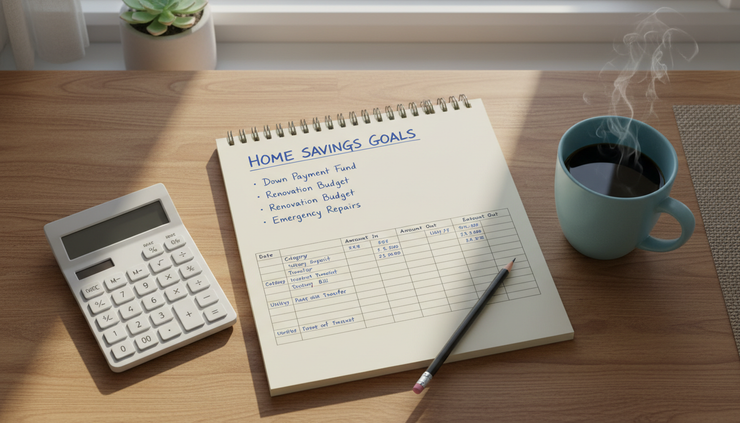
A budget is not punishment. It is a tracking tool. It shows what is helping the goal and what is slowing it down.
Start by reviewing the last two or three months of spending. Group expenses into simple categories:
Housing
Utilities
Groceries
Transportation
Insurance
Debt payments
Subscriptions
Dining out
Entertainment
Savings
Then compare income to spending. The gap is the amount that can move toward the down payment.
If there is no gap, look for small changes first. A few small cuts can add up. A canceled subscription, fewer takeout meals, and a lower phone plan may create real room in the budget.
The best budget is one that can be repeated. A plan that is too strict may fail after a few weeks. A realistic plan can last for years.
Use the right account for your down payment fund
A down payment fund should be easy to track and hard to spend by accident. Keeping it in the same checking account used for bills can make it too tempting to touch.
A separate savings account helps create a boundary.
A high-yield savings account may also help the balance grow faster than a standard savings account. Rates can change, so compare options before opening an account. Look for:
No monthly maintenance fee
FDIC or NCUA insurance
Easy transfers
No confusing requirements
A simple online dashboard or app
Avoid putting short-term down payment money into risky investments if the home purchase is planned soon. Markets can rise or fall at the wrong time. For many buyers, safety and access matter more than chasing a higher return.
Keep this account for the home goal only. Do not mix it with vacation savings, emergency savings, or holiday spending. A clean account makes progress easier to measure.
Automate the savings before spending happens
Willpower works better when it does not have to make every decision. Automation turns saving into a routine.
Set up an automatic transfer from checking to the down payment account after each payday. Treat it like a bill that must be paid.
For example:
Get paid every two weeks
Transfer $300 on payday
Save $7,800 in one year before interest
If the first amount feels too high, start smaller. Increase it after a raise, bonus, debt payoff, or tax refund.
Automation also reduces the urge to “save what is left.” Often, nothing is left. Saving first changes that pattern.
A simple rule helps:
Pay the future home fund before lifestyle spending gets a vote.
This does not mean every spare dollar must go toward the house. Life still needs room. A steady automatic transfer creates progress with less stress.
Cut expenses without making the plan miserable
Cutting unnecessary expenses does not mean removing every fun purchase. That approach often backfires. The goal is to cut spending that does not matter much.
Start with low-pain cuts:
Cancel unused subscriptions
Cook at home one or two more nights each week
Compare insurance rates
Use a grocery list
Delay large purchases for 30 days
Limit impulse buys
Buy used when it makes sense
Then look at larger choices. Housing, transportation, and debt payments often take the biggest share of income. A roommate, less expensive car, or debt payoff plan may free up far more money than skipping coffee.
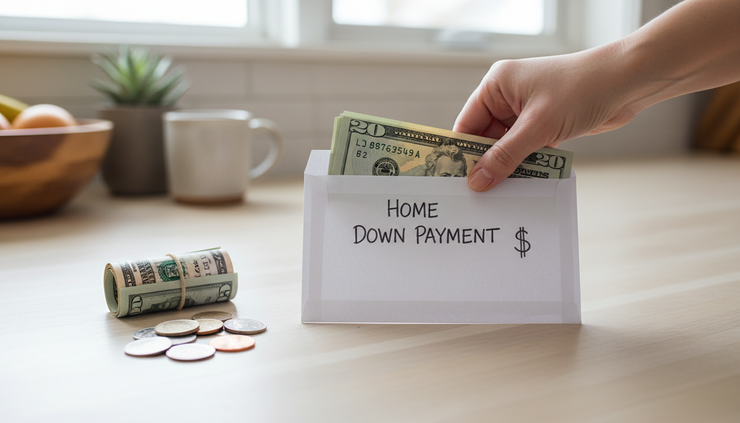
Use windfalls with care. Bonuses, tax refunds, and cash gifts can move the goal forward fast. Decide in advance what percentage will go to the home fund. That removes the pressure to decide later.
Patience matters here. A down payment often takes years. Discipline matters too. The people who reach the goal usually do boring things well for a long time.
If planning the purchase feels hard to map out, get help early. A knowledgeable real estate professional can help clarify price ranges, market expectations, and next steps. When ready, contact Renee Bebawi to talk through the path toward homeownership.
FAQ
How much should I save for a down payment?
It depends on the loan type, home price, and comfort level. Some loans allow lower down payments. A larger down payment may reduce the loan amount and monthly payment. Include closing costs and moving expenses in the total goal.
Should I pay off debt before saving for a home?
It depends on the debt. High-interest debt can slow progress. Paying it down may improve monthly cash flow. Keep saving something if possible, even while reducing debt.
Where should I keep my down payment savings?
Many buyers use a separate high-yield savings account. It keeps the money safe, easy to access, and away from daily spending. Check fees, insurance, and transfer rules before choosing an account.
How can I stay motivated while saving?
Track progress monthly. Use a chart, spreadsheet, or separate account balance. Celebrate small milestones, such as each $1,000 saved. Progress is easier to maintain when it is visible.

Keep the goal steady
Saving for a down payment takes time. That does not make the goal unrealistic. It makes the plan matter.
Set the number. Track spending. Use the right account. Automate contributions. Cut what does not serve the goal.
Small choices repeated over time can become a down payment. Stay patient. Stay disciplined. Keep going.