Seasonal Home Maintenance Checklist for Every Quarter
- Jul 22
- 8 min read
Owning a home comes with a lot of firsts: the first time the furnace makes a strange noise, the first heavy rain after move-in day, the first spring when the yard seems to grow overnight. The good news is that home maintenance gets much easier when it follows the seasons.
Instead of trying to remember everything at once, break the year into four manageable rounds. A few hours each quarter can help prevent costly repairs, keep rooms comfortable, and make the home safer for everyday life.
Use this guide as a working checklist. Add reminders to your phone or calendar, keep receipts for service visits, and take photos of anything you want to track over time. These Seasonal Home Maintenance Tips are designed to help you build a simple rhythm that fits real life.
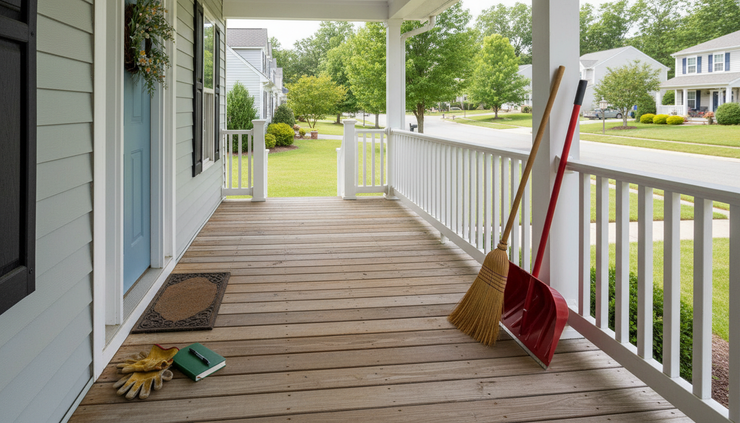
Spring
Spring is the reset season. After months of cold weather, your home needs fresh air, cleanup, and a careful look for winter damage. This is also the best time to prepare outdoor spaces before heat, rain, and yard growth pick up.
Clean what winter left behind
Start with the areas that collect dirt, moisture, and debris. Winter can push grime into siding, patios, windows, and entryways. A thorough spring cleaning lets you see what needs repair before small issues spread.
Spring cleaning checklist:
[ ] Wash exterior windows and clean window screens
[ ] Sweep porches, decks, patios, and walkways
[ ] Rinse siding where dirt or mildew has built up
[ ] Clean out the garage and remove salt, sand, or mud
[ ] Check the attic and basement for signs of leaks
[ ] Test smoke alarms and carbon monoxide detectors
[ ] Replace batteries if needed
[ ] Clean dryer vents and lint buildup behind the dryer
Pay close attention to moisture. Water stains, musty smells, soft wood, or peeling paint can point to a leak or drainage issue. If you find any of these, take a photo and check again after the next rain.
Get the yard and garden ready
Spring yard work does more than boost curb appeal. Trimming plants, improving drainage, and clearing debris can protect the roof, siding, foundation, and walkways.
Focus on these jobs before plants fill in:
[ ] Rake leaves and branches from lawn areas
[ ] Trim shrubs away from siding, windows, and outdoor equipment
[ ] Remove dead plants from garden beds
[ ] Add mulch, leaving space around tree trunks and the foundation
[ ] Check soil grading near the house
[ ] Make sure water flows away from the foundation
[ ] Inspect fences, gates, and retaining walls
[ ] Look for uneven pavers or cracked walkways
Mulch helps hold moisture, but too much mulch against the home can invite insects and trap water. Keep it pulled back from siding and wood trim.
Prepare for warmer weather
Before the first hot week, make sure your home can handle the change. Start with airflow, cooling, and outdoor water.
Warm-weather preparation checklist:
[ ] Replace the HVAC filter
[ ] Schedule air conditioning service if it has not been checked recently
[ ] Remove covers from outdoor AC units
[ ] Clear leaves and plants at least a couple of feet from the AC unit
[ ] Turn on outdoor faucets and check for leaks
[ ] Inspect garden hoses and sprinkler heads
[ ] Reverse ceiling fans to run counterclockwise
[ ] Check weatherstripping around doors and windows
If a sprinkler sprays the house, adjust it. Constant water on siding, windows, or foundation walls can create problems over time.
Spring reminder
Make a quick “spring home file.” Save photos of the roofline, yard drainage, flower beds, and any repairs. If something changes later, you will have a clear comparison.

Summer
Summer maintenance is about heat, storms, outdoor living, and pests. Many tasks are quick, but they matter because warm weather can put extra stress on cooling systems, decks, lawns, and exterior surfaces.
Maintain outdoor spaces
Outdoor areas get more use in summer, especially decks, patios, grills, play areas, and driveways. A monthly walkaround can catch damage before it becomes unsafe.
Summer outdoor checklist:
[ ] Inspect deck boards for cracks, rot, or loose fasteners
[ ] Check railings and stairs for wobbling
[ ] Clean patio furniture and outdoor cushions
[ ] Check exterior lighting and replace burned-out bulbs
[ ] Wash trash and recycling bins
[ ] Clean the grill and check propane connections if applicable
[ ] Look for cracks in the driveway or walkways
[ ] Touch up peeling paint on trim, railings, or fences
For wood decks, watch for soft spots and raised nails or screws. These are easy to miss until someone trips or a board starts to fail.
Keep cooling systems working well
Air conditioning works hardest in summer. A clean filter and clear airflow help the system run better and may reduce unnecessary strain.
Cooling checklist:
[ ] Change the HVAC filter every 1 to 3 months, depending on use and filter type
[ ] Keep interior vents open and unblocked
[ ] Vacuum dust from return vents
[ ] Keep the outdoor unit clear of grass clippings and leaves
[ ] Listen for unusual noises when the system starts
[ ] Watch for rooms that suddenly feel warmer than usual
[ ] Use curtains or blinds during the hottest part of the day
[ ] Seal obvious gaps around doors and windows
If the AC runs constantly but the home never cools down, call a qualified technician. The issue could be low refrigerant, dirty coils, duct problems, or an aging system.
Control pests before they settle in
Pests look for food, water, and shelter. Summer gives them plenty of chances to find all three. The best pest control starts with sealing entry points and removing attractants.
Pest prevention checklist:
[ ] Seal gaps around pipes, vents, and utility lines
[ ] Repair torn window or door screens
[ ] Keep food sealed in airtight containers
[ ] Empty indoor trash regularly
[ ] Store firewood away from the house
[ ] Remove standing water from buckets, planters, and toys
[ ] Clean crumbs and spills from patios or outdoor dining areas
[ ] Trim branches that touch the roof or siding
Mosquitoes can breed in very small amounts of standing water, so check saucers under plants, clogged toys, and low spots on tarps after rain.
Summer reminder
Set a monthly 20-minute exterior walk. Start at the front door, move around the home, and look up, down, and along the foundation. Small changes are easier to spot when you follow the same route.

Fall
Fall is the season to protect the home before cold weather arrives. Leaves, falling temperatures, and shorter days make this the right time to clean gutters, inspect heating, and prepare for winter storms.
Clean gutters and manage drainage
Gutters move water away from the roof and foundation. When they clog, water can overflow, freeze, or back up under roof edges. Fall gutter care is one of the most important seasonal jobs.
Gutter checklist:
[ ] Remove leaves, sticks, and roof grit from gutters
[ ] Flush downspouts with a hose
[ ] Confirm downspouts drain away from the foundation
[ ] Reattach loose gutter sections
[ ] Look for sagging or rusted areas
[ ] Check for water stains under roof edges
[ ] Make sure splash blocks or extensions are in place
If the home has tall gutters or a steep roof, hire a professional. Ladder work can be risky, especially when leaves, mud, or wet surfaces are involved.
Check heating systems
Turn on the heat before the first truly cold day. That gives you time to notice problems while service appointments are easier to schedule.
Heating checklist:
[ ] Replace or clean the furnace filter
[ ] Test the thermostat
[ ] Turn on the heat and listen for unusual sounds
[ ] Check vents and registers for dust buildup
[ ] Move furniture away from heat vents
[ ] Schedule furnace, boiler, or heat pump service
[ ] Test carbon monoxide detectors
[ ] If you have a fireplace, schedule chimney cleaning and inspection
A light dusty smell the first time the heat runs can be normal. A burning smell, gas odor, loud banging, or repeated shutoffs should be checked right away.
Prepare for winter
Fall is also the time to protect pipes, outdoor fixtures, and emergency supplies. Waiting until freezing weather arrives makes these tasks harder.
Winter preparation checklist:
[ ] Drain and store garden hoses
[ ] Shut off and winterize outdoor faucets if needed
[ ] Store or cover patio furniture
[ ] Inspect weatherstripping around doors
[ ] Add door sweeps where cold air leaks in
[ ] Stock ice melt safe for your surfaces and pets, if applicable
[ ] Check snow shovels and other winter tools
[ ] Review your home insurance documents and emergency contacts
Walk through the home at night with lights on inside. From outside, look for gaps around doors and windows where light shines through. Those same gaps may let cold air in.
Fall reminder
Create a “before winter” weekend on your calendar. Treat it like an appointment. If you finish early, you get time back. If you forget it, winter tends to remind you at the worst possible moment.

Winter
Winter maintenance focuses on warmth, safety, and indoor comfort. Cold weather can expose weak insulation, strain heating systems, and reduce indoor air quality when the house stays closed up.
Improve insulation and stop drafts
Drafts make rooms uncomfortable and can cause heating systems to work harder. Start with simple fixes before moving into larger projects.
Winter insulation checklist:
[ ] Feel around windows and doors for cold air
[ ] Add weatherstripping where gaps are visible
[ ] Use caulk around small cracks near trim
[ ] Install outlet gaskets on drafty exterior walls
[ ] Close fireplace dampers when not in use
[ ] Check attic access panels for air leaks
[ ] Add pipe insulation in cold areas such as garages or crawl spaces
[ ] Keep cabinet doors open during extreme cold if pipes run inside exterior walls
If one room stays much colder than the others, check for blocked vents, poor insulation, or air leaks. A simple draft stopper may help under a door, but repeated cold spots deserve a closer look.
Stay ahead of snow and ice
Snow removal is easier and safer when handled early. Ice can damage surfaces, block drains, and create fall hazards around the home.
Snow and ice checklist:
[ ] Shovel walkways before snow gets packed down
[ ] Clear steps, driveways, and paths to trash bins
[ ] Keep snow away from exterior vents
[ ] Clear snow from around heat pump units
[ ] Watch for ice dams along roof edges
[ ] Use ice melt according to package directions
[ ] Avoid piling snow against siding or basement windows
[ ] Keep a clear path to utility meters and emergency exits
Ice dams can form when warm air escapes into the attic and melts snow on the roof. The water refreezes near the edge. Good attic insulation and ventilation help reduce the risk.
Protect indoor air quality
Windows stay closed more in winter, so indoor air can feel stale or dry. Dust, pet dander, cooking moisture, and fireplace smoke can build up faster.
Indoor air checklist:
[ ] Replace HVAC filters on schedule
[ ] Vacuum rugs, vents, and upholstery regularly
[ ] Use kitchen and bathroom exhaust fans
[ ] Keep indoor humidity in a comfortable range
[ ] Clean humidifiers according to the manufacturer’s directions
[ ] Check for condensation on windows
[ ] Avoid blocking return air vents
[ ] Test smoke and carbon monoxide detectors again
Too much humidity can cause condensation and encourage mold growth. Too little can make the air feel dry and uncomfortable. A basic hygrometer can help you track the level in rooms that feel damp or dry.
Winter reminder
Keep a small winter station near the entryway or garage. Include gloves, a flashlight, ice melt, a sturdy mat, and a towel for wet boots. It reduces mess and keeps supplies easy to find.

A well-maintained home does not need constant attention. It needs a reliable routine. Pick one weekend each quarter, work through the matching checklist, and keep a short record of what you did.
Over time, these small habits make homeownership feel less reactive. You will know where the filters are, when the gutters were last cleaned, which rooms get drafty, and when to call a professional before a problem grows. That confidence is one of the best parts of turning a house into a home.